




How Köprülü Canyon Was Formed: Rock, River and Springs
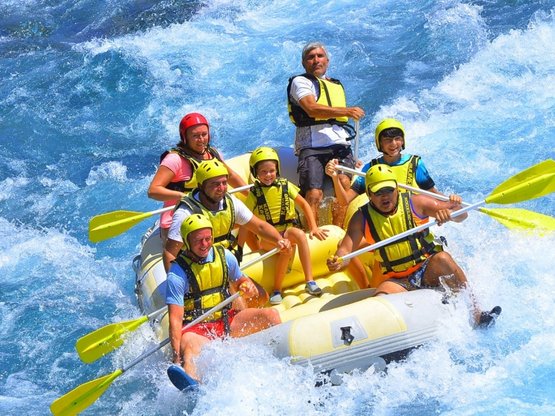
About the canyon: see our Köprülü Canyon guide.
How Was Köprülü Canyon Formed?
Köprülü Canyon looks as if it was cut with a knife: steep walls, a narrow floor and a river running fast between them. It is the work of the Köprüçay River, which has been cutting down into the rock of the Taurus Mountains for millions of years. This page explains, in simple terms, what the canyon is made of and how it came to be.
The Rock: Conglomerate and Limestone
Most of the rock in the Köprüçay basin can be dissolved by water. Geographers estimate that about 82% of the basin is made of such rock: limestone, marly limestone and conglomerate. At Köprülü Canyon itself, the river has cut through a thick layer of conglomerate, a rock made of rounded pebbles cemented together, sometimes called the Köprüçay or Beşkonak conglomerate. It dates from the Miocene epoch, roughly 23 to 5 million years ago. In some places the park also has limestone, chalk, sandstone and andesite.
How the River Cut the Gorge
- Mountains rise. The land and its first rivers took shape when the Taurus Mountains were pushed up, at the end of the Mesozoic era.
- The sea comes and goes. Later, the sea advanced over the area and buried the old river bed under new layers of sediment, including the conglomerate.
- The river cuts down. As the region kept rising, the Köprüçay cut down into the newer limestone and conglomerate. Because the uplift has not stopped, the river is still "young" and still deepening its bed.
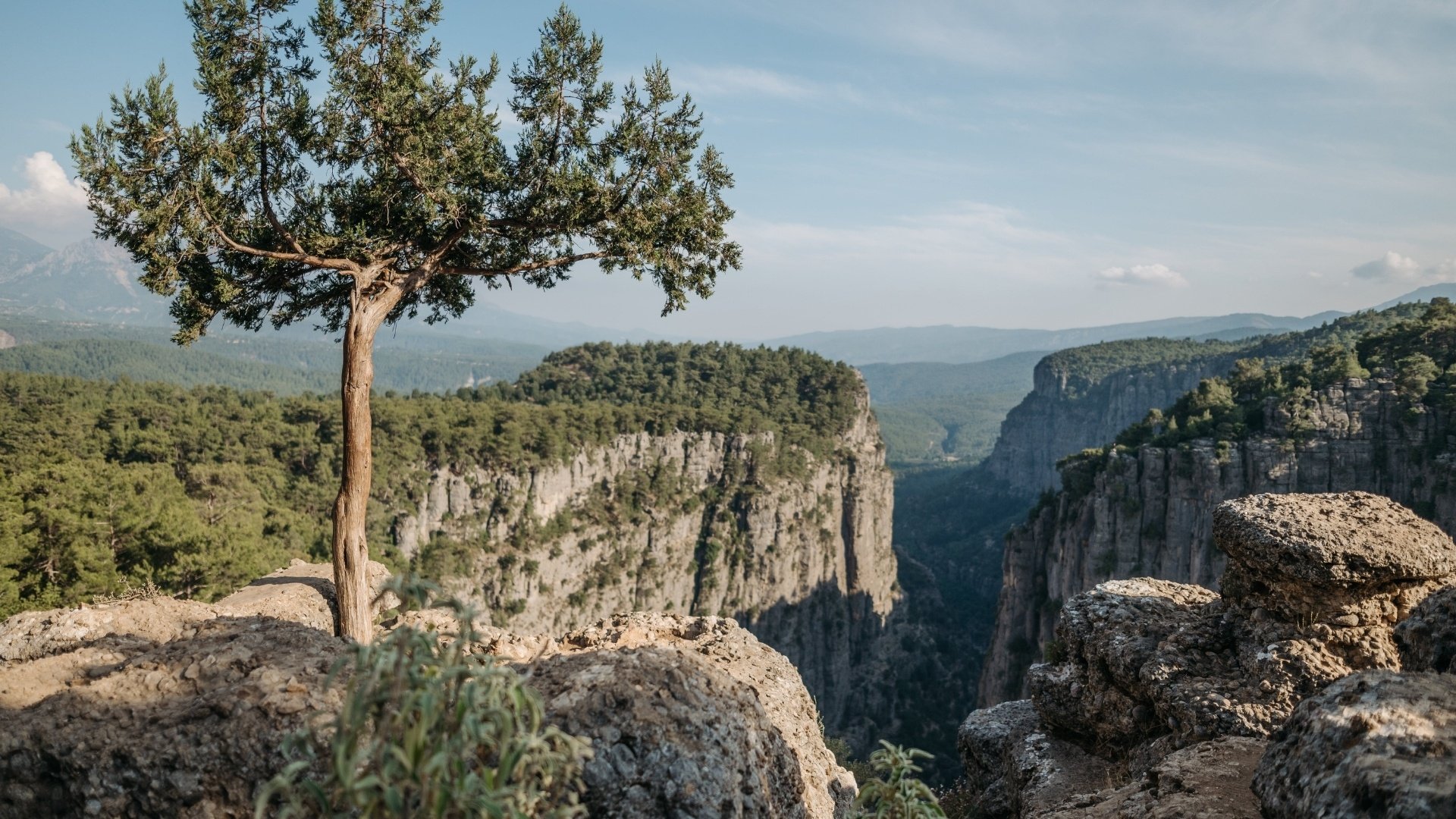
How Deep Is the Canyon?
The canyon is about 14 km long. Figures for its depth vary: many sources say the walls reach about 100 m, while one geographical study describes walls of about 200 m at the canyon entrance, falling to about 50 m near the Oluk Bridge. Some slopes are almost vertical.
Springs That Feed the River
Because the rock dissolves, water sinks into it and travels underground before coming out again as karst springs. Studies count 108 karst springs in the basin, supplying around 40% of the river's water, which is why the Köprüçay keeps flowing even in very dry years. Springs coming out of the canyon walls roughly double the flow below the canyon. Where the water of the Oluk Bridge springs comes from is still debated by researchers. These springs are also why the river is so cold; see Köprüçay water temperature.
Other Landforms Nearby
- Tazı Canyon: a narrower canyon a few kilometres north, with walls of several hundred metres.
- Adam Kayalar: conglomerate pillars left standing when softer rock around them eroded away.
- Caves and karren: small caves and grooved limestone surfaces typical of karst.
See the canyon walls up close from a raft on our 14 km route: rafting in Köprülü Canyon, or WhatsApp +90 534 820 11 69.


-
 BOOKING
-
CAMPAIGNS






 Whatsapp
 Ara